
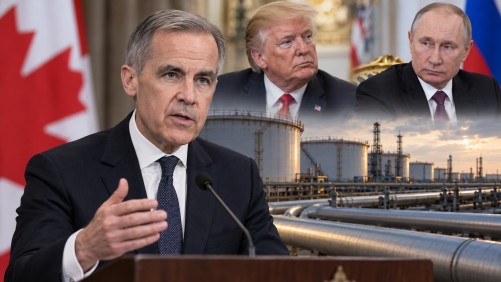
Canadian Prime Minister Mark Carney has expressed strong support for a proposed energy ceasefire between Russia and Ukraine, an initiative credited to U.S. President Donald Trump, which aims to halt attacks on energy infrastructure. Carney emphasized that the agreement could help de-escalate tensions and protect civilians who have been suffering due to the ongoing conflict. However, he also voiced concerns about a separate U.S. deal to import Russian diesel, suggesting that it could inadvertently fund Russia’s military operations against Ukraine.
The energy ceasefire, announced by Trump on Sunday, involves both Russia and Ukraine agreeing to stop targeting energy facilities, although specific details remain undisclosed. Ukrainian President Volodymyr Zelenskyy has welcomed the initiative but is seeking further clarification from the U.S. administration. Despite the ceasefire announcement, Zelenskyy reported continued Russian attacks on Ukraine’s energy infrastructure, including over 200 strikes on electricity facilities in the past week alone.
In contrast to the positive reception of the ceasefire, Carney criticized Trump’s agreement to secure Russian diesel for the U.S., arguing that it undermines efforts by Canada, Ukraine, and their allies to promote peace and stability in Europe. The Canadian government warned that the revenue from this deal could bolster Moscow’s war efforts. Trump defended the agreement as a means to alleviate rising fuel prices in the U.S., but it has sparked legal and ethical questions about its alignment with existing sanctions on Russian energy imports.
U.S. Republican Senator Thom Tillis has questioned the legality of the diesel arrangement, while Treasury Secretary Scott Bessent assured that the administration would adhere to legal protocols. Meanwhile, Zelenskyy has called for an end to Russian attacks and discussed enhancing air defense cooperation with Carney, including the development of the FREYJA anti-ballistic missile system with European partners. This system is intended as an alternative to the U.S.-made Patriot air defense system.
Carney and Zelenskyy also explored the potential for closer collaboration with European allies to address Ukraine’s military and air defense needs. As the situation evolves, European Union leaders are expected to discuss Ukraine’s security and funding requirements at upcoming European Council meetings.