
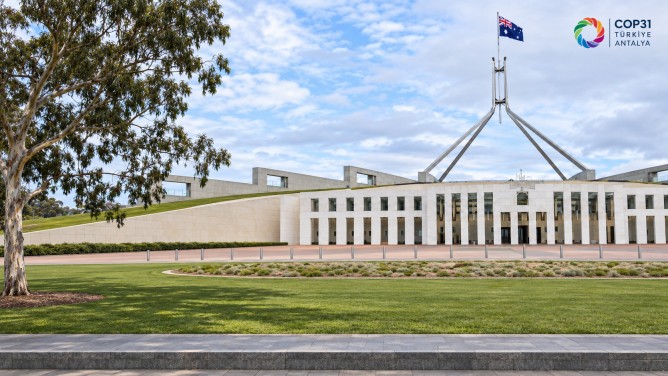
The collapse of the COP31 climate talks in Antalya, Türkiye, has sparked calls from Australian opposition politicians for the resignation of Energy Minister Chris Bowen. As the president of the conference, Bowen has been criticized for the failure to secure a final agreement on global climate action, with opposition leader Angus Taylor labeling the event a significant diplomatic setback.
The negotiations, which commenced on November 9, faltered due to disagreements over the inclusion of fossil fuels in the final agreement. The European Union and other countries opposed the draft, arguing it insufficiently addressed the role of fossil fuels in global warming, a stance countered by oil-producing nations like Saudi Arabia.
Prime Minister Anthony Albanese defended the government’s climate strategies, emphasizing a commitment to scientific evidence and national interests. Despite this, questions were raised about the A$150 million expenditure by Australia on the summit, intensifying calls for Bowen’s ouster.
The impasse at COP31 has heightened concerns about the future of international climate collaboration, especially as global temperatures threaten to surpass the critical 1.5°C threshold linked to severe environmental consequences. Pacific island countries, already vulnerable to rising sea levels and extreme weather, expressed profound disappointment with the outcome.
China criticized the lack of consensus, while India highlighted its efforts to engage constructively for a common agreement. The failure of COP31 has reignited debates over the efficacy of global climate negotiations and the ability of nations to implement robust emission reduction measures.