
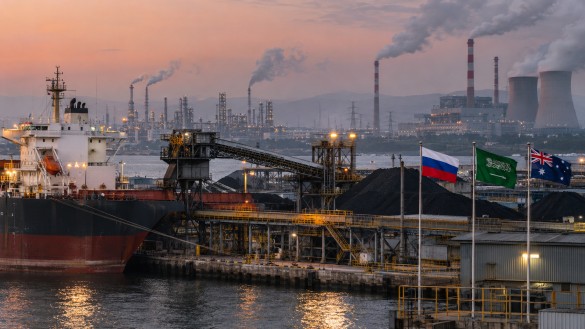
A new analysis has identified Russia, Saudi Arabia, and Australia as the leading historical exporters of carbon dioxide emissions through fossil fuel exports. The study, which examines coal, oil, and gas trade since 1850, places Russia at the top with over 70 gigatonnes of CO2 emissions attributed to its fossil fuel exports up to the end of 2025. Saudi Arabia follows with approximately 60 gigatonnes, and Australia ranks third with more than 25 gigatonnes.
This analysis shifts the focus from traditional measures that account for emissions where fuels are burned to attributing responsibility to the countries where fossil fuels are extracted and exported. This perspective underscores the significant role that fossil fuel-exporting nations play in contributing to global warming beyond their domestic emissions.
Australia, in particular, is under scrutiny as it presides over this year’s United Nations climate summit, COP31, in Türkiye. Despite its involvement in international climate negotiations, fossil fuels make up about 40% of Australia’s export economy, and the country has yet to establish a definitive timeline for phasing out fossil fuel exports.
Climate experts have criticized the continued expansion of coal and gas production, warning that newly approved projects could operate for decades, potentially undermining global climate targets. This criticism aligns with the broader debate over financial responsibility for climate change, with environmental organizations urging major fossil fuel producers to contribute more to mitigating climate damage and supporting the transition to cleaner energy.
In contrast, Saudi Arabia has challenged the attribution of emissions solely to exporting countries, arguing that importing nations should also share responsibility since they determine the use and management of the fuels and their emissions.
The findings have sparked renewed calls for stronger international commitments to reduce reliance on fossil fuels and accelerate the shift towards sustainable energy solutions. These discussions highlight the complex dynamics of global energy trade and the shared responsibility required to address climate change effectively.