
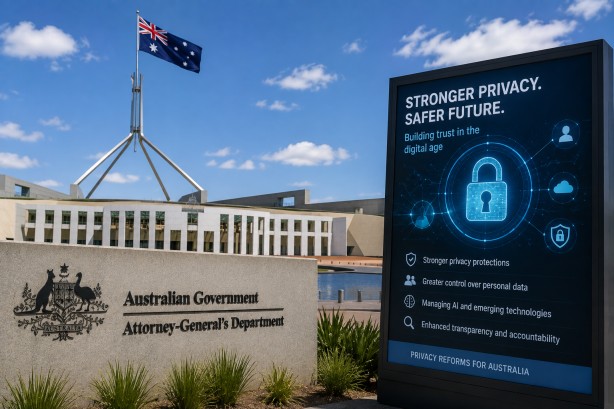
In a significant move to enhance privacy protections, Australia has unveiled sweeping reforms aimed at safeguarding personal information in an era marked by the increasing prevalence of artificial intelligence, facial recognition, and connected devices. Central to these proposed changes is the introduction of a fair and reasonable test, which would compel organizations to provide justifications for the collection and utilization of personal data. Individuals would also gain a more robust right to request the deletion of their personal data from large digital platforms, alongside the implementation of stricter consent requirements.
Amid persistent privacy concerns among Australians, the government is advocating for tighter controls over the use of personal information, particularly in areas such as targeted advertising, data trading, and activities related to AI. This initiative aims to grant Australians greater autonomy over how their data is collected, utilized, and shared, aligning with public demands for enhanced control over personal information and a legal mechanism to request its deletion.
The proposed reforms also tackle the contentious issue of facial recognition technology, responding to heightened regulatory scrutiny regarding the usage of biometric data in public spaces, including retail settings. By addressing the deployment of such technologies, the government seeks to reinforce safeguards and ensure that privacy considerations are adequately addressed in their implementation.
With a consultation process underway, stakeholders have until September 18, 2026, to submit their feedback on the proposed legislation. This period of consultation underscores the government’s commitment to engaging with various perspectives before finalizing the reforms. The proposals are subject to further evaluation and refinement to ensure that they effectively address the evolving landscape of privacy challenges.