
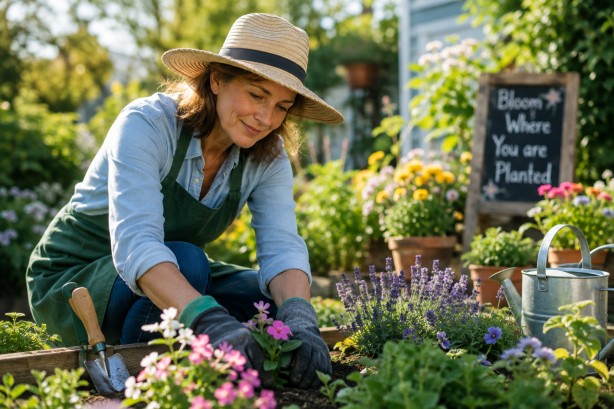
Engaging in gardening goes beyond the mere cultivation of attractive outdoor spaces; it embodies a range of physical and mental health benefits. This activity, often perceived as a soothing pastime, encompasses physical exertion, exposure to the outdoor environment, sensory engagement, and a connection with nature, all of which collectively enhance overall well-being. Researchers have identified substantial health advantages linked to regular gardening, offering a compelling argument for integrating this activity into one’s lifestyle.
One notable benefit of gardening is its support of cognitive health. The activity demands movement, planning, and the engagement of multiple senses. Tasks such as selecting plants, remembering care schedules, and handling soil contribute to mental stimulation. Studies suggest that these elements of gardening can improve cognitive function by merging physical activity with mental engagement, thereby enhancing mood.
Moreover, gardening may play a significant role in stress reduction. Being surrounded by greenery fosters a calming atmosphere, offering a reprieve from daily stressors. Activities like watering, pruning, and planting provide a mental break, potentially lowering stress levels, which is beneficial for overall health. In addition to stress relief, gardening promotes mental well-being by imparting a sense of purpose and accomplishment, as gardeners nurture plants and witness their growth.
The physical aspect of gardening cannot be overlooked. It serves as a practical means to incorporate more movement into daily routines. Activities such as digging, planting, and watering engage various muscle groups and increase physical activity, making gardening an effective method for those seeking to reduce sedentary habits. Furthermore, the outdoor nature of gardening exposes individuals to sunlight, aiding in vitamin D production, vital for bone health and immune function. Yet, it is crucial to balance sun exposure with proper protection.
Overall, the combination of physical activity, stress alleviation, and time outdoors contributes to long-term health benefits. Research indicates that gardening, especially among older adults, is associated with improved cardiovascular health and reduced risks of certain lifestyle-related diseases. While it is not a panacea for longevity, incorporating gardening into an active lifestyle may support healthier aging. Importantly, gardening is accessible to all, requiring neither a large backyard nor extensive expertise. Whether cultivating herbs or tending to indoor plants, gardening offers a straightforward way to integrate physical activity, outdoor exposure, and mental relaxation into everyday life.