
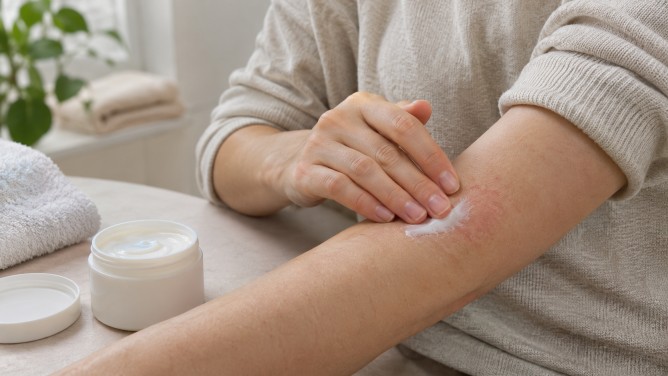
Eczema is a chronic skin condition characterized by inflammation and a compromised skin barrier, leading to persistent itching and irritation that can significantly impact daily life. Unlike ordinary dry skin, eczema involves more complex symptoms such as red, inflamed patches, and skin that may become extremely dry, cracked, or thickened due to repeated scratching. Understanding its triggers and adopting a consistent skincare routine are crucial in managing this condition.
The relentless itch associated with eczema results from increased skin sensitivity due to inflammation. Unfortunately, scratching exacerbates the problem by further damaging the skin barrier, allowing irritants and germs to penetrate more easily, which can lead to infections and persistent inflammation.
Eczema flare-ups can be triggered by a variety of factors, which can vary from person to person. Common triggers include environmental pollutants like dust and pollution, harsh skincare products, and extreme weather conditions. Other factors such as sweat, stress, and allergies can also worsen symptoms. Identifying and avoiding personal triggers can help mitigate flare-ups.
Maintaining a gentle skincare routine is pivotal in managing eczema. Regular use of fragrance-free moisturizers, particularly after bathing, can help retain moisture. It’s also recommended to use mild bathing products, opt for soft clothing made from breathable fabrics, and keep fingernails short to minimize damage from scratching. Additionally, maintaining a comfortable indoor environment with appropriate humidity levels can alleviate symptoms.
For individuals whose eczema does not improve with skincare and lifestyle adjustments alone, medical treatments may be necessary. Options include topical corticosteroids to reduce inflammation, non-steroid medications, antihistamines, antibiotics for infections, and phototherapy for persistent symptoms. Advanced treatments such as biologic medicines can be considered for severe cases.
Consulting a dermatologist is advisable when symptoms interfere with sleep, become painful, or do not respond to over-the-counter treatments. Early diagnosis and treatment can prevent complications and help manage eczema more effectively, improving quality of life for those affected.