
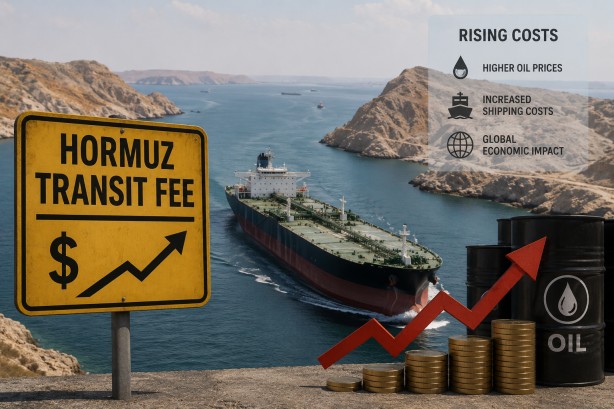
In a move that could significantly impact global energy trade, Iran and Oman have proposed introducing transit fees for ships navigating the pivotal Strait of Hormuz. This strategic waterway is a vital artery for oil transportation, accounting for nearly 20% of the world’s oil consumption. The proposal suggests a levy of about $1 per barrel of oil transported, which, with Brent crude prices hovering around $86 per barrel, translates to approximately 1.2% of the cargo’s value.
Analysts project that this fee could generate an impressive $6.8 billion in annual revenue based on current shipping volumes, potentially surpassing the income from transit fees through the Suez Canal. Although the fee might seem minor, experts caution that it could lead to increased shipping costs, which may ripple through to affect global fuel prices, air travel, freight rates, and the cost of imported goods.
Proponents of the fee argue that establishing a clear and consistent fee structure could mitigate the risk of disruptions or temporary closures in the Strait, events that have historically spiked energy prices and fueled market uncertainty. However, questions linger about the long-term enforceability and stability of such an arrangement.
The prospect of increased transit costs is prompting Gulf nations to diversify their export strategies. The United Arab Emirates, for instance, has been investing in alternative pipelines and ports that bypass the Strait of Hormuz, while Saudi Arabia is enhancing the capacity of its East-West pipeline to lessen its dependency on the waterway. These infrastructure investments might gradually reduce the volume of oil passing through the Strait, potentially limiting future revenue from any transit fees.