
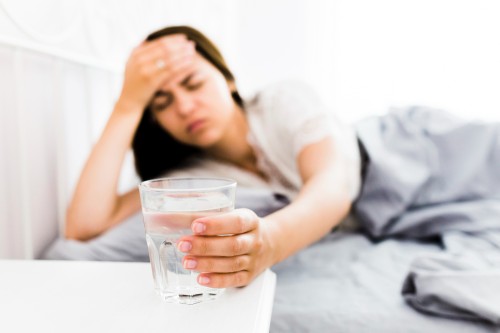
Hydration is crucial for maintaining the body’s normal functions, and dehydration occurs when fluid loss exceeds intake. Often, individuals wait for the sensation of thirst before consuming water, but experts indicate that thirst is a delayed indicator that the body already requires more fluids. Modern-day habits can subtly exacerbate dehydration. Prolonged exposure to air-conditioned settings, commuting in heat, overconsumption of caffeinated beverages, skipping water amid hectic schedules, and exercising without adequate fluid replacement contribute to reduced hydration. Even those working indoors can unknowingly experience dehydration without clear symptoms.
Mild dehydration has the potential to impair focus, energy levels, physical capabilities, and general well-being. Since the body might not immediately trigger a thirst response, it’s essential to maintain consistent fluid intake throughout the day. Water remains the primary hydration source for most individuals, but optimal hydration is also tied to a balanced intake of electrolytes like sodium, potassium, and chloride. These minerals are key for fluid regulation, muscle functionality, and nerve health.
In conditions of significant sweating, extended physical activity, illnesses with vomiting or diarrhea, fevers, or prolonged heat exposure, the body loses water and electrolytes. In such scenarios, using electrolyte-rich solutions can be more effective in restoring fluid balance compared to water alone. It is advisable to select options with low added sugar and a balanced electrolyte composition.
Incorporating simple daily habits can support adequate hydration: begin the day with a glass of water, keep a reusable water bottle accessible at work or while traveling, take regular water breaks during lengthy meetings or extended screen time, and increase fluid intake during hot weather, physical exertion, or travel. Consuming foods high in water content like watermelon, cucumber, oranges, and tomatoes also contributes to hydration. After intense sweating or illness, replenishing both fluids and electrolytes is important.
Ensuring proper hydration is one of the simplest ways to uphold overall health. Good hydration practices can enhance energy levels, concentration, mood, and physical performance, enabling the body to operate efficiently on a daily basis.