
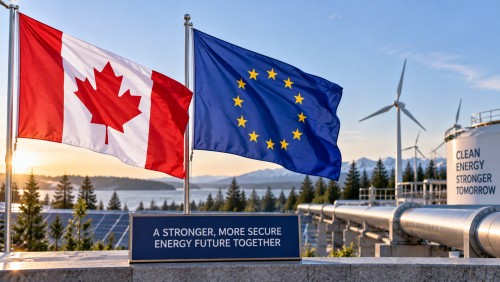
The potential for a robust energy partnership between Canada and the European Union could significantly enhance Europe’s energy security and reduce its reliance on Russian energy. This development comes as both regions seek to fortify economic and strategic ties amid global energy uncertainties.
During a visit to Strasbourg, Canadian Prime Minister Mark Carney engaged in discussions with EU leaders to explore closer collaboration. With Canada’s vast oil and natural gas reserves, the country presents an attractive alternative for Europe. However, the lack of direct export infrastructure on Canada’s eastern coast poses a logistical challenge, as current facilities are primarily directed toward Asia from the West Coast.
To address this, energy swap agreements are being considered. These would allow energy cargoes originally intended for Asian markets to be redirected to Europe, bypassing the need for immediate investments in new infrastructure. This strategic maneuver would enable European buyers to access Canadian energy more readily, providing a stopgap solution while longer-term infrastructure projects are developed.
Beyond fossil fuels, the potential partnership also encompasses the supply of critical minerals from Canada, which are essential for Europe’s transition to clean energy. By tapping into these resources, Europe could advance its renewable energy initiatives and bolster low-carbon technology development, aligning with global sustainability goals.
The discussions between Canada and the EU signify a multi-faceted approach to energy cooperation, integrating traditional energy resources with forward-looking clean-energy strategies. Such collaboration could pave the way for a more secure and sustainable energy future for Europe, marking a significant step in international energy relations.