
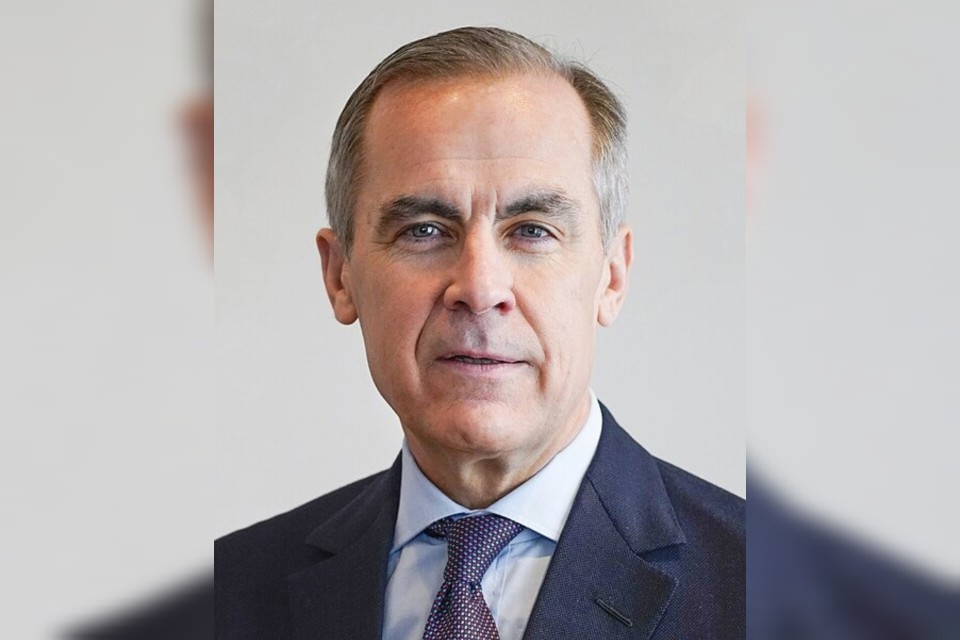
Prime Minister Mark Carney has initiated talks with British Columbia Premier David Eby aimed at adjusting Canada’s federal carbon pricing benchmark. The goal is to align it more closely with the new framework announced by Alberta. These discussions, held in Vancouver, are part of a broader effort to consult with provinces and territories to establish a more predictable national carbon pricing system. This initiative seeks to balance economic growth with environmental priorities.
The conversation follows Carney’s agreement with Alberta Premier Danielle Smith on a new carbon pricing trajectory. This plan would see Alberta’s effective carbon price reach $130 per tonne by 2040, a figure below the current federal target of $170 per tonne by 2030. This adjustment reflects a significant shift in carbon pricing strategy at the federal level, driven by regional considerations and economic imperatives.
Premier Eby has underscored British Columbia’s commitment to economic development while insisting that environmental protection remains a key condition in any future agreements. He has particularly emphasized this stance in relation to proposals for a new oil pipeline to the West Coast. Eby reiterated support for the North Coast tanker ban and advocated for stronger provincial involvement in federal energy discussions.
In terms of infrastructure projects, Carney noted that any future pipeline initiatives would need to deliver substantial economic benefits for the people of British Columbia. These projects would also require comprehensive consultations with Indigenous communities, ensuring opportunities for partnerships and co-ownership are explored. This approach aligns with Carney’s vision for cooperative development among governments, First Nations, and industry groups.
Carney also highlighted the strategic importance of expanding the Port of Vancouver as Canada aims to boost exports to Asian markets and reduce its reliance on U.S. trade. Both leaders indicated that more significant projects could be announced in British Columbia, reflecting the federal government’s broader strategy on infrastructure and trade development.