
The first meal of the day is a powerful opportunity to set the tone for digestive health. What you eat in the morning can influence bowel function, inflammation levels, and the health of the gut microbiome throughout the entire day. By incorporating specific seeds into a morning bowl of oatmeal, yoghurt, or smoothie, you can turn breakfast into a daily gut-cleansing ritual.
A digestive health expert recently identified three seeds that are especially beneficial for gut health and shared practical ways to incorporate them into everyday meals. The seeds — chia, flax, and basil — each work through distinct mechanisms, making them highly complementary when used together. Understanding how each one works helps maximise the benefits they offer.
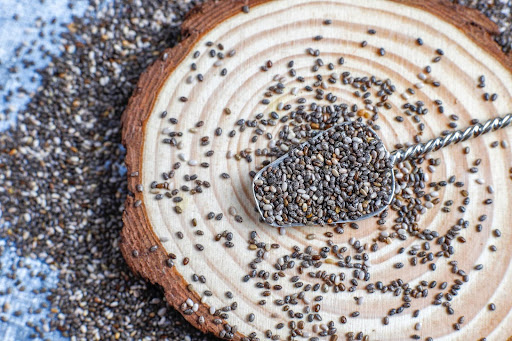
Chia seeds are the morning bowl’s best friend. When soaked overnight in almond milk or yoghurt, they form a thick, gel-like consistency that is both filling and deeply beneficial for the gut. The soluble fibre in the gel feeds beneficial bacteria, moderates blood sugar levels, and encourages regular bowel movements. Topped with fresh berries, soaked chia seeds create a visually appealing and nutritionally complete breakfast.
Ground flaxseeds blend seamlessly into oatmeal and smoothies, making them one of the easiest gut-health upgrades to make. Their omega-3 fatty acids reduce gut inflammation, and their fibre content supports hormone balance and cholesterol management. Whole flaxseeds should be avoided in favour of ground, as the body cannot access the nutrients locked inside whole seeds. One tablespoon three to four times a week is sufficient for noticeable benefits.
Basil seeds, known as sabja, are an excellent addition to any morning bowl. They expand rapidly in liquid, releasing a soothing mucilaginous fibre that lines and cleanses the gut as it travels through. Combining basil seeds with chia seeds in the same bowl — in oatmeal, almond milk, or yoghurt — creates a potent, double-action gut treatment. Turning this combination into a morning habit is one of the simplest ways to invest in long-term digestive health.