
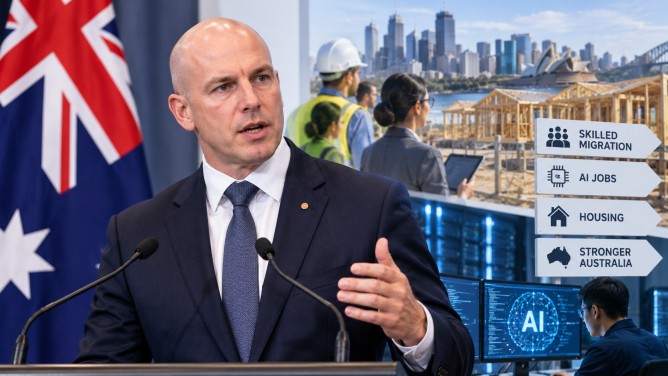
Senator David Pocock, an independent member of Australia’s parliament, has advocated for prioritizing skilled migrants to address the nation’s pressing workforce needs, particularly in the artificial intelligence and housing sectors. This appeal follows a report from the Powering Skills Organisation, which highlighted a potential shortfall of 72,000 electricians and related tradespeople by 2030, a gap driven by the demands of ongoing major construction and infrastructure projects.
Pocock has expressed concern over the current migration strategy, questioning why skilled trades have not been given greater emphasis in Australia’s migration planning. As the country grapples with a housing shortage, he emphasized the need for a more targeted approach to migration that addresses specific labor market needs, rather than focusing predominantly on overall population growth.
Furthermore, Pocock cautioned about potential public resistance to AI data centers in Australia, drawing parallels to the opposition seen in the United States. He stressed the importance of ensuring that Australia gains enduring economic benefits from hosting these technological infrastructures, which are increasingly vital as the demand for AI continues to expand.
He also raised the issue of large multinational tech companies potentially minimizing their tax obligations in Australia while taking advantage of significant investments in AI infrastructure. To counteract this, Pocock suggested the implementation of mechanisms aimed at securing a long-term economic return for the country, particularly from large-scale data centers that are set to proliferate in response to growing AI infrastructure needs.