
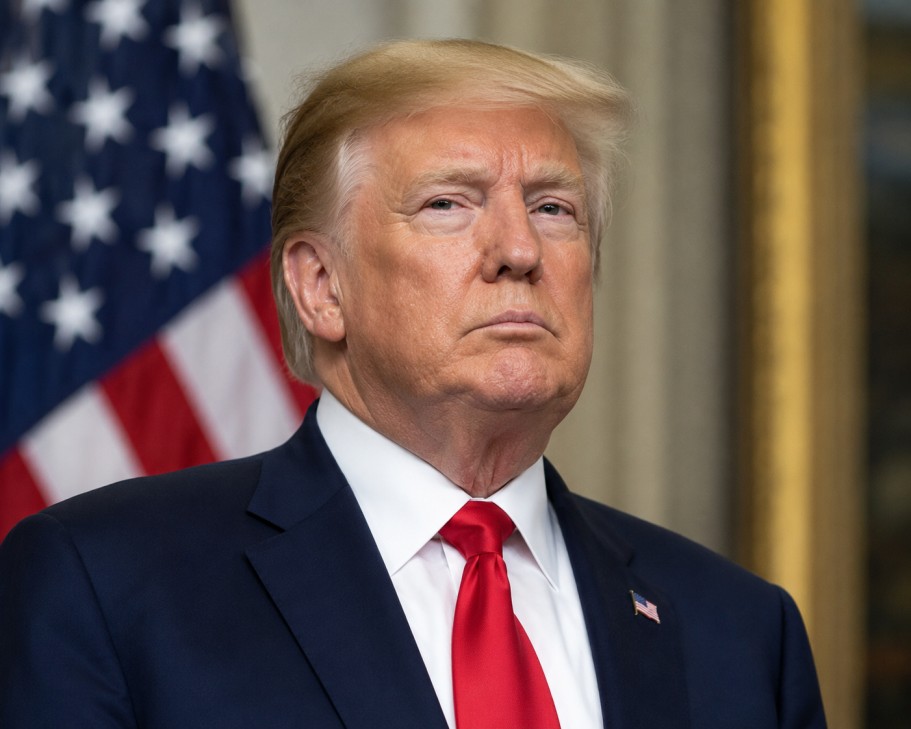
The ambitious Gaza recovery initiative, once envisioned as a comprehensive territory-wide reconstruction plan, has been scaled down to a pilot project near Rafah in southern Gaza. This reduction comes under the auspices of US President Donald Trump’s Board of Peace, transitioning from a broad vision to a more localized effort. The pilot project aims to provide temporary housing for tens of thousands of displaced Palestinians and establish a civilian administration, a locally trained police force, and an international stabilization force in the area.
Officials anticipate that the pilot project will not be operational until the end of 2026, as preparatory efforts remain in their early stages. Infrastructure development is currently underway near the Kerem Shalom crossing, but the construction of the actual pilot camp has not yet commenced. The project’s progression is contingent upon political and security conditions in the region, notably the outcomes of Israel’s elections scheduled for later this year.
Challenges to the initiative have arisen from ongoing hostilities, restrictions on humanitarian access, and disagreements regarding reconstruction, security arrangements, and the future governance of Gaza. These issues have contributed to significant delays in the project’s timeline. Despite these obstacles, diplomatic efforts continue to be directed towards securing the necessary funding, establishing an international security force, and reaching agreements on humanitarian access and long-term stability in the region.
While the initiative represents a significant step towards addressing the humanitarian crisis in Gaza, uncertainty persists regarding its financing, implementation, and the broader political landscape. Stakeholders remain committed to navigating these complexities, working towards a sustainable resolution that ensures the safety and well-being of displaced Palestinians in the region.