
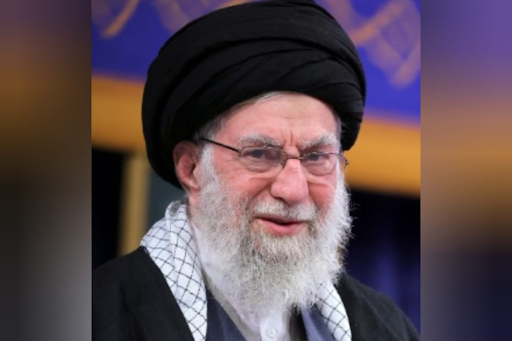
In the wake of the Supreme Leader’s death, Iran has already begun its “calibrated but widespread” retaliation. Ballistic missile strikes have been reported targeting US installations across Iraq, Jordan, and the UAE. The IRGC has declared that the killing of the Leader is a “declaration of war against all Muslims,” signaling that they intend to expand the conflict far beyond the borders of Israel and the US.
The Strait of Hormuz, the world’s most critical oil chokepoint, is now the primary theater of economic warfare. While the waterway has not been officially closed, insurance premiums have skyrocketed as Iranian naval assets engage in skirmishes with Western fleets. The global economy is bracing for a supply shock that could push oil prices to record highs, adding a layer of international panic to the regional bloodletting.
Internal reports from Tehran suggest that the Revolutionary Guard is under immense pressure from its rank-and-file to deliver a “crushing blow.” This domestic pressure makes a diplomatic off-ramp nearly impossible in the short term. The leadership council is currently forced to balance the need for a devastating response with the risk of inviting further, even more destructive strikes on Iranian infrastructure.
US and Israeli forces remain on high alert, with President Trump warning that “heavy and pinpoint bombing” will continue if Iran does not stand down. This cycle of strike and counter-strike has placed the entire West Asia region on a hair-trigger. The death of Khamenei has removed the “strategic patience” policy that often characterized his later years, replaced by a raw, vengeful militarism.
As 40 days of official mourning begin, the streets of Tehran are a mix of state-mandated grief and high-alert military maneuvers. The true extent of Iran’s retaliatory capacity will be tested this week. If the IRGC chooses to strike civilian infrastructure in neighboring Arab states, the conflict could spiral into a world-altering confrontation.